 360Blog
Sve što treba da znate o novim novčanicama evra i šta to znači za građane
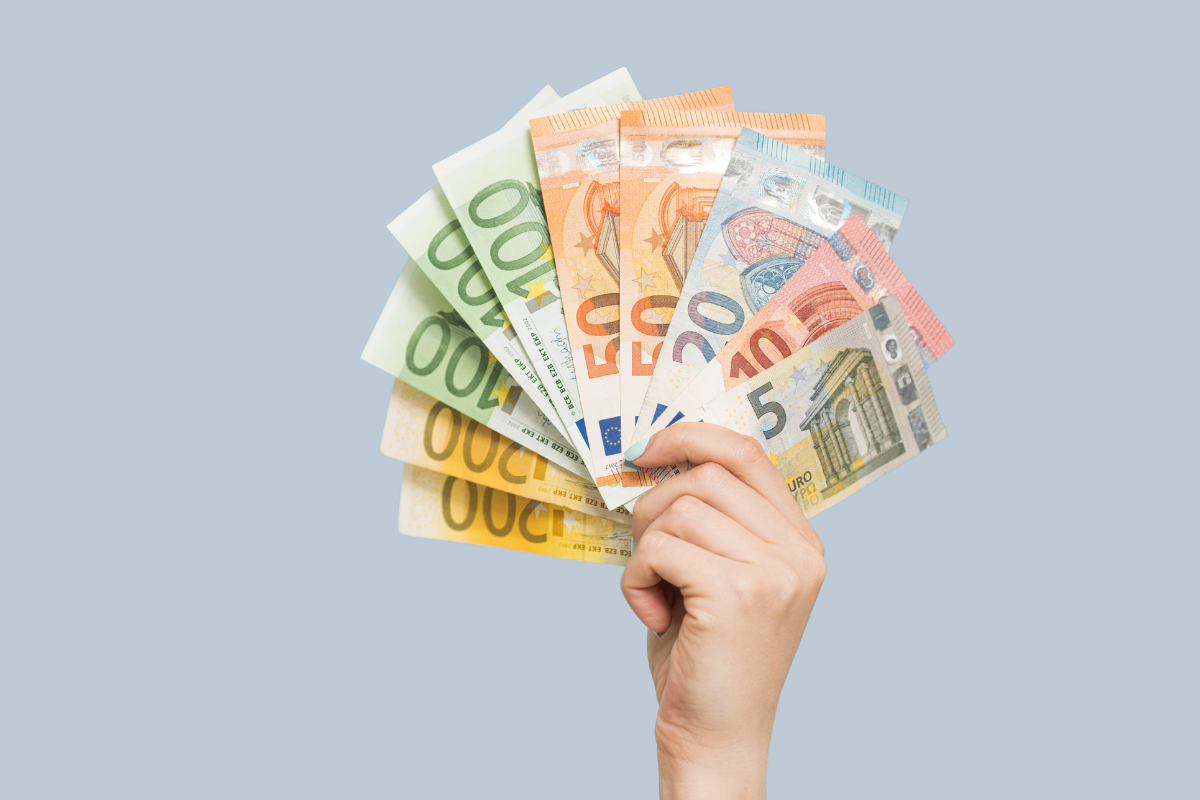
Poslednjih meseci sve češće se govori o redizajnu novčanica evra, što je kod mnogih građana otvorilo brojna pitanja.
Da li će stare novčanice prestati da važe? Šta će biti sa novcem koji se nalazi u banci ili kod kuće? I najvažnije, da li će ova promena uticati na kupovinu i prodaju nekretnina?
U nastavku donosimo odgovore na najčešća pitanja i objašnjavamo šta redizajn evra zapravo znači.
Redizajn nije promena valute.
Važno je napraviti jasnu razliku između redizajna novčanica i promene valute.
Evropska centralna banka radi na novoj seriji novčanica evra kako bi unapredila njihovu bezbednost, otpornost na falsifikovanje i prilagodila dizajn savremenim standardima. To ne znači da se uvodi nova valuta niti da postojeće novčanice preko noći gube svoju vrednost.
Ovakve promene predstavljaju uobičajenu praksu centralnih banaka širom sveta i imaju za cilj da povećaju sigurnost platnog prometa.
Kada možemo očekivati nove novčanice?
Tokom 2026. godine očekuje se izbor konačnog dizajna novih novčanica, nakon čega sledi višegodišnji proces proizvodnje i postepenog uvođenja u opticaj.
Za sada nije objavljen datum kada će nove novčanice početi da se koriste, niti postoji rok do kog će stare prestati da važe.
Šta ako imate evre na računu u banci?
Građani koji sredstva drže na bankovnim računima ne treba da preduzimaju nikakve aktivnosti.
Novac na računu ostaje nepromenjen, dok će banke postepeno uvoditi nove novčanice u opticaj. Prilikom podizanja gotovine moguće je dobiti i stare i nove novčanice, u zavisnosti od raspoloživosti.
Šta ako čuvate gotovinu kod kuće?
Ni u tom slučaju nema razloga za zabrinutost.
Postojeće novčanice će se i dalje koristiti u platnom prometu, moći će da se polažu u banke i kada za to dođe vreme, biće moguće zameniti ih u skladu sa pravilima koja bude propisala Evropska centralna banka.
Drugim rečima, nema potrebe za hitnom zamenom gotovine niti za donošenjem ishitrenih finansijskih odluka.
Da li redizajn evra utiče na tržište nekretnina?
Kratak odgovor je - Ne.
Kupovina i prodaja nekretnina neće se menjati zbog novog izgleda novčanica. Bilo da se promet realizuje putem bankarskog transfera ili u skladu sa važećim propisima koji omogućavaju gotovinsko plaćanje, redizajn evra ne utiče na vrednost novca niti na sam proces kupoprodaje.
Na tržište nekretnina mnogo veći uticaj imaju:
- kretanje kamatnih stopa
- inflacija
- odnos ponude i tražnje
- ekonomska stabilnost
Zbog toga odluku o kupovini ili prodaji nekretnine ne bi trebalo donositi isključivo na osnovu informacija o redizajnu novčanica.
Kako prepoznati pouzdane informacije?
U periodima kada se najavljuju promene u vezi sa novcem često se pojavljuju nepotpune ili netačne informacije na društvenim mrežama.
Pre donošenja bilo kakve finansijske odluke, preporučljivo je informisati se iz zvaničnih izvora i konsultovati stručnjake kada je reč o većim investicijama, poput kupovine ili prodaje nekretnine.
Zaključak
Redizajn evra predstavlja planirano unapređenje izgleda i bezbednosti novčanica, a ne zamenu valute ili monetarnu reformu. Građani koji imaju evre na računu ili u gotovini ne moraju da preduzimaju posebne korake, niti postoji razlog za zabrinutost kada je reč o vrednosti njihovog novca.